Sustainable landscape designs are important for our environment and Central Florida communities. It also allows us to be creative with native plant palettes and enhancing aesthetics. Here are a few easy ways to do your part and really make an impact on our natural surroundings.
It’s All About The Mulch
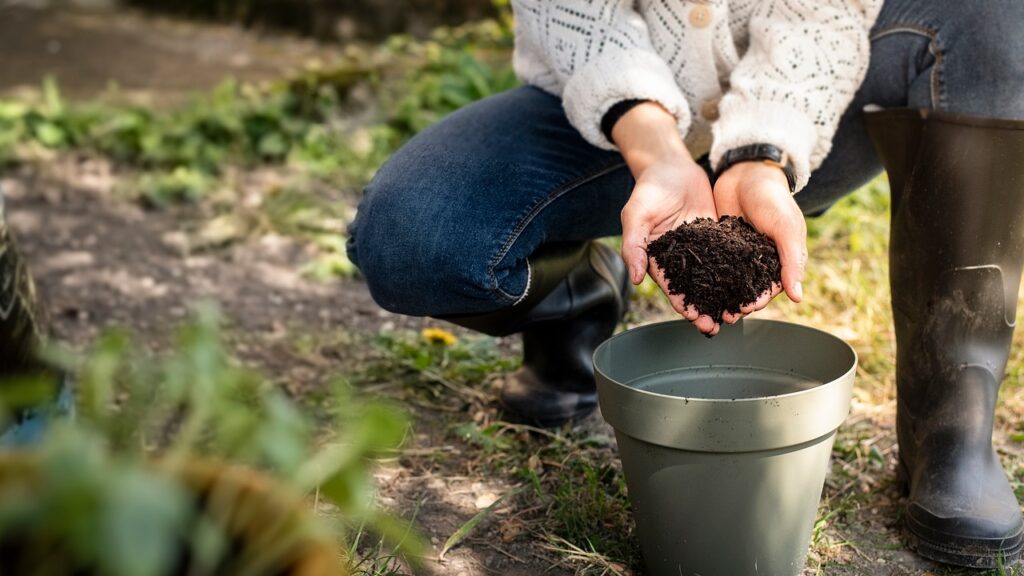 Mulch plays a big role in sustainable landscaping. For instance, applying a three inch layer of mulch will conserve water, reduce erosion, provide valuable nutrients to the plants as organic mulch decomposes, and reduce weeds from growing.
You won’t have to irrigate as often, because mulch has a high water retention rate. This is especially important during the dryer months.
You also won’t have to fertilize as often since organic mulch breaks down and releases nutrients into the soil. Easily available when plants need them. This also reduces the need for synthetic fertilizer.
Just be cautious about using processed bagged mulch. They typically has construction debris and hazardous chemicals from construction sites that can negatively impact the environment.
“In a study comparing 15 different organic mulches, wood chips were one of the best for holding moisture, moderating soil temperatures, controlling weeds, and overall sustainability. Wood chips absorb more water than many other mulches, water which both cools the soil and is slowly released to plants.” according to Dr. Linda Chalker-Scott from Washington State University:
Native Plants
Native plants have adapted to the environment. They thrive and grow healthier in the area a particular area. They grow in harmony with the environment, varying weather, water supply and soil.
Native plants also creates a natural habitat for wildlife. They also offer other benefits, less pesticides and require less fertilizer, prevent water run-off, decrease pollution, and improve air quality.
Reliable Peat is family owned and operated, serving the horticulture industry since 1982. We are Florida’s premier organic mulch, stones, and custom blend soil manufacture. Also, we are members of the FNGLS and FANN Native Plant Association.